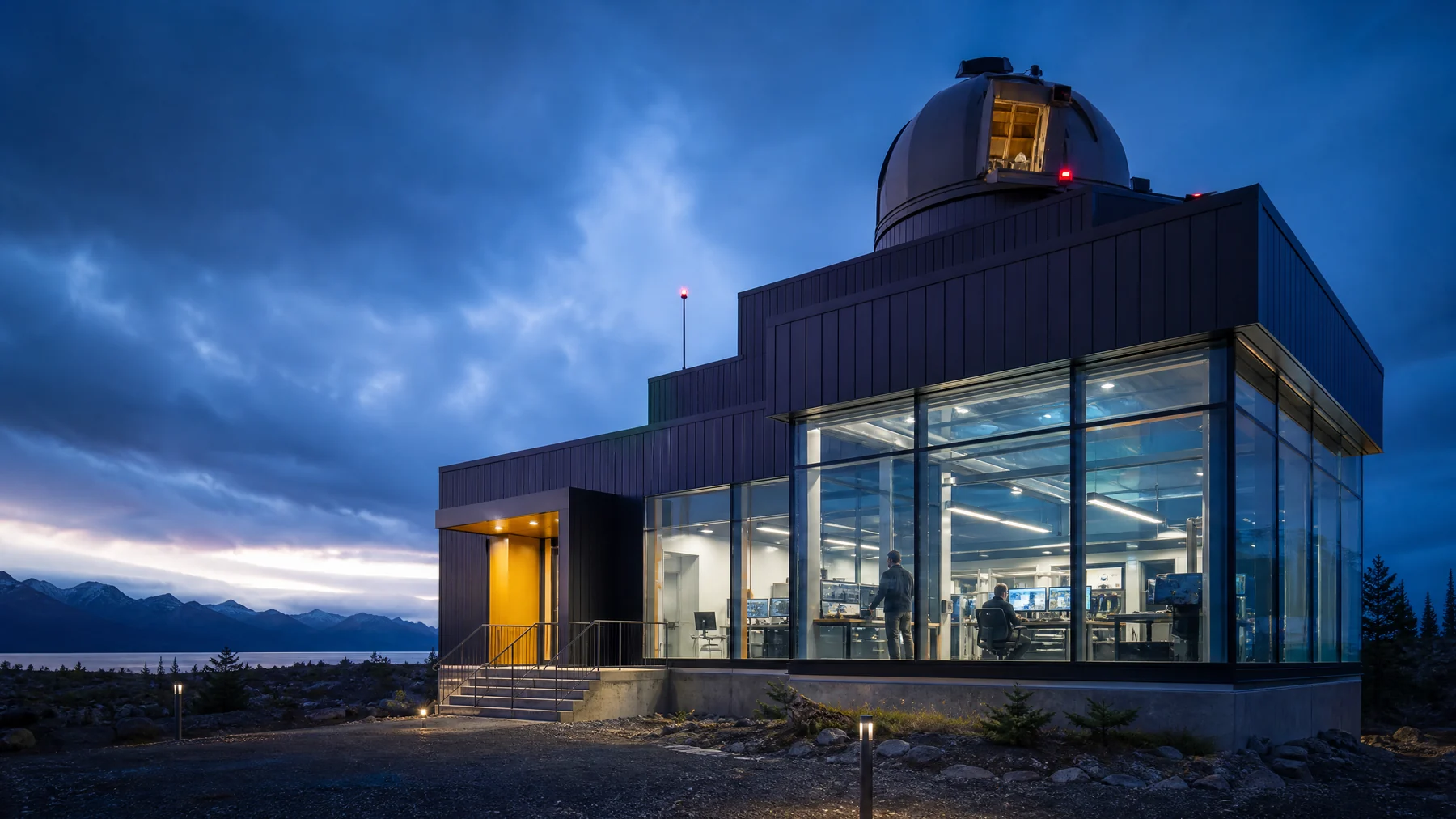
ST. 01 / INPUT
Notice the action before it becomes a request.
Watch what a person does, what changes on the screen and what they should be able to understand next.

DAYLIGHT BUILD OBSERVATORY / OPEN SESSION
Full-stack engineering explained through physical signals, practical evidence and a small next change—not a stream of generic lessons.
Step into the orbitTHE ORBIT MAP / FOUR PLACES TO STAND
The station map changes the question, not the difficulty. Choose a point of view and the current observation moves with it.
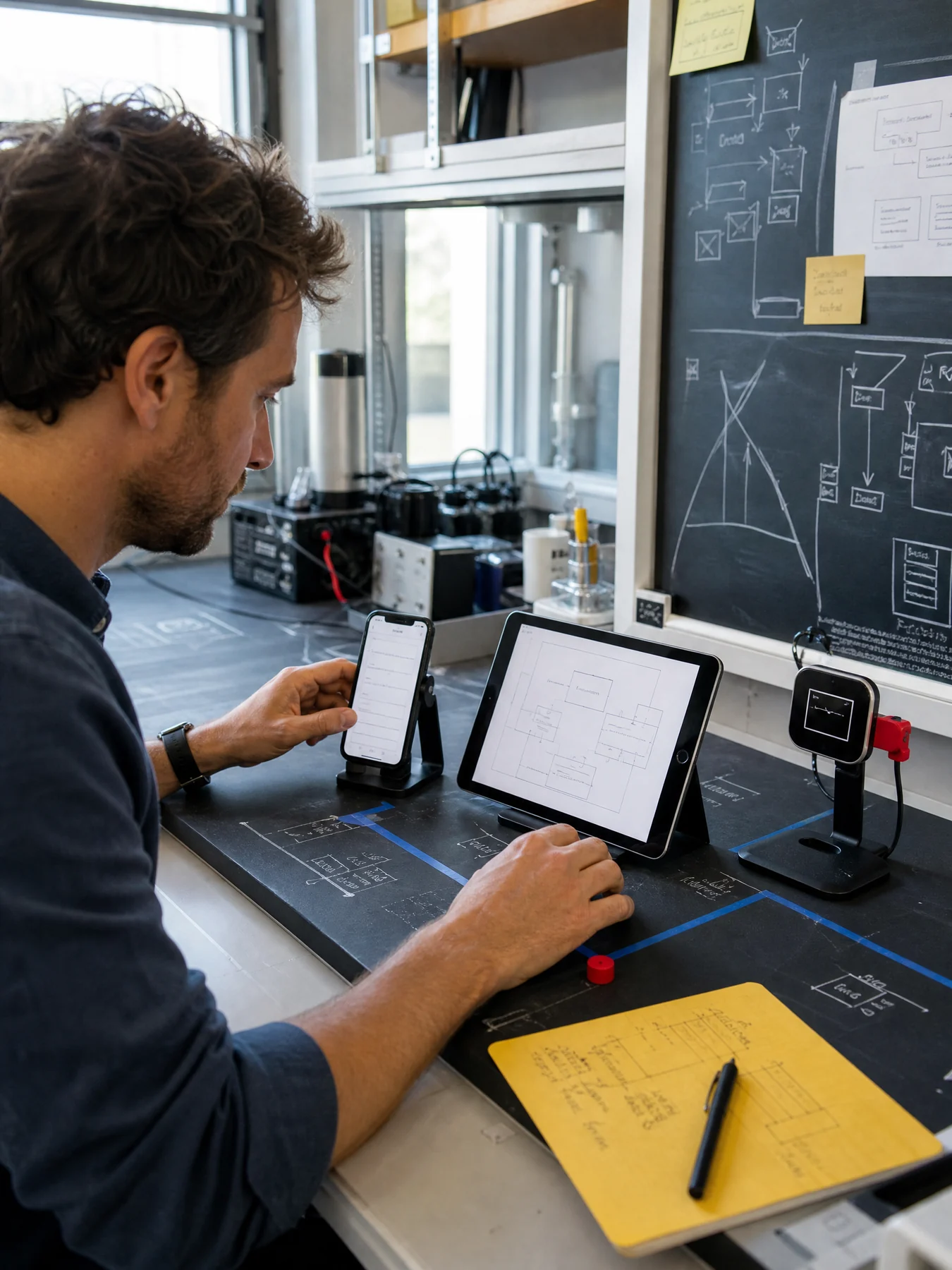
ST. 01 / INPUT
Watch what a person does, what changes on the screen and what they should be able to understand next.
SIGNAL STRIP / A SYSTEM DOES NOT SPEAK IN ONE FORMAT
An action made by a person.
A change worth noticing.
A value with a location.
A check someone can repeat.
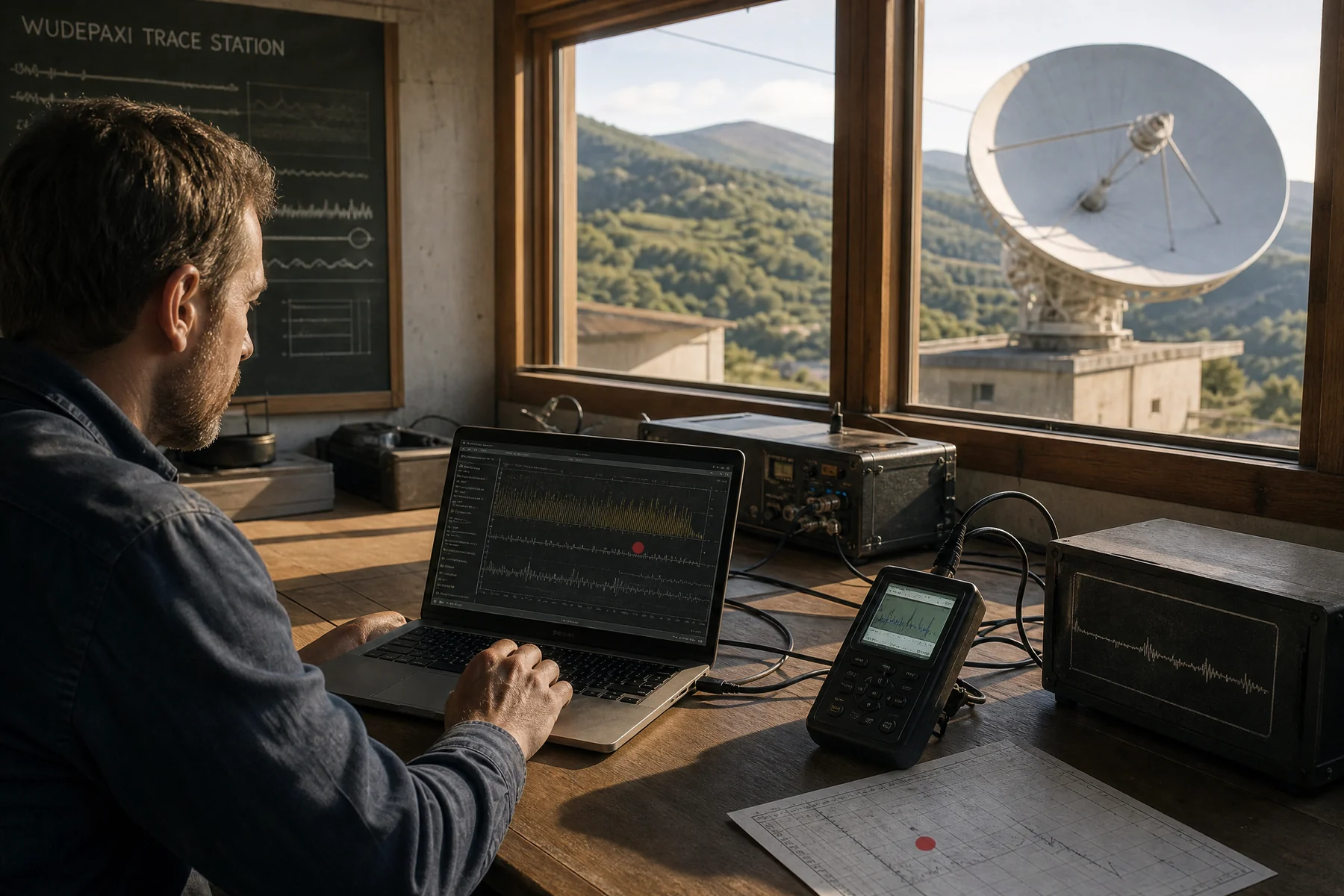
OBSERVATION AT THE TRACE STATION
Use the shortest path that makes the system’s current behavior clear to the next engineer.
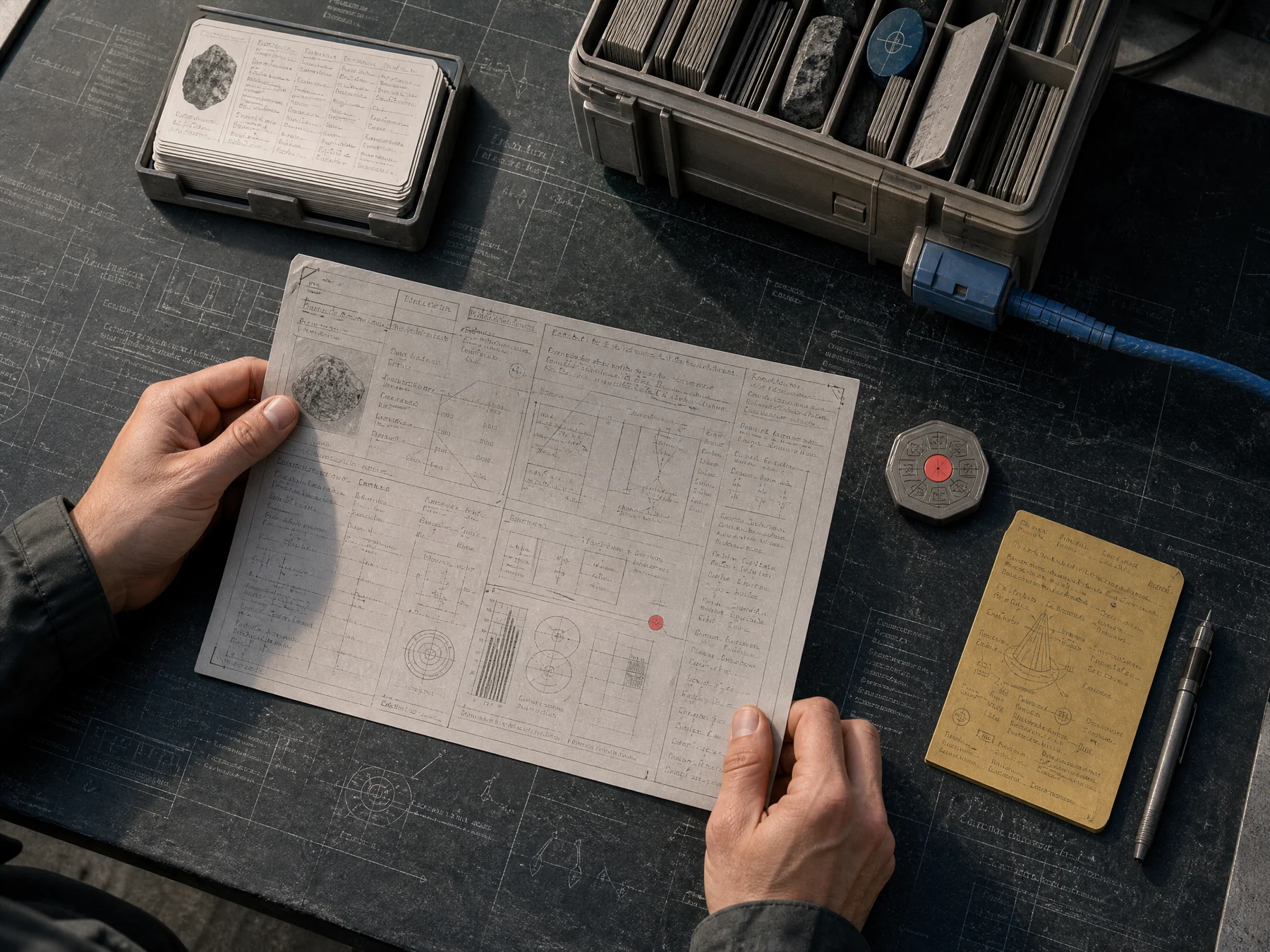
EXPERIMENT TABLE / SET THE PIECES DOWN
At the table, an interface path, request condition, stored record and release check are objects with distance between them. The arrangement is a conversation aid—not a diagram to impress anyone.
WEATHER WINDOWS / SYSTEM CONDITIONS
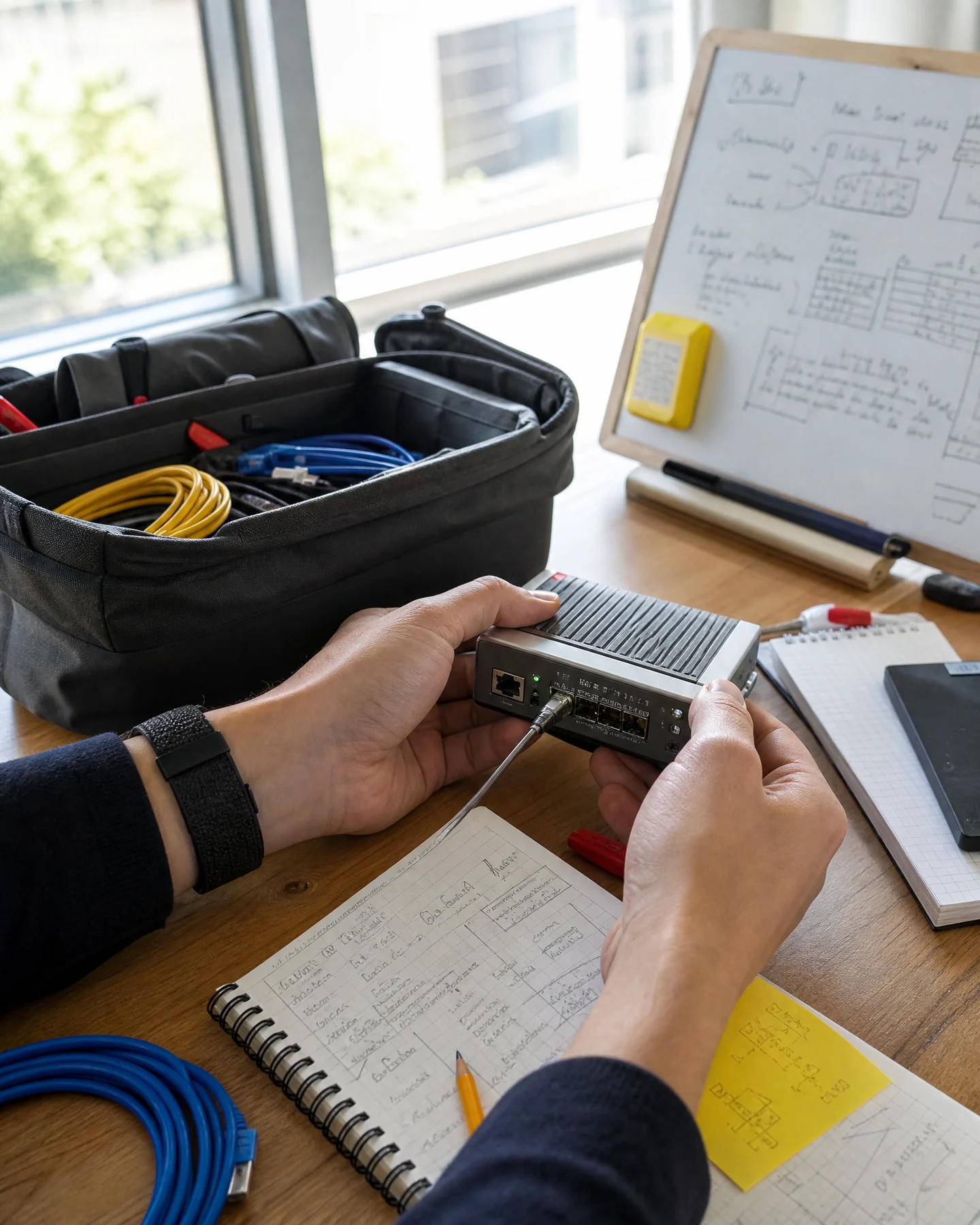
WINDOW 01 / CLEAR
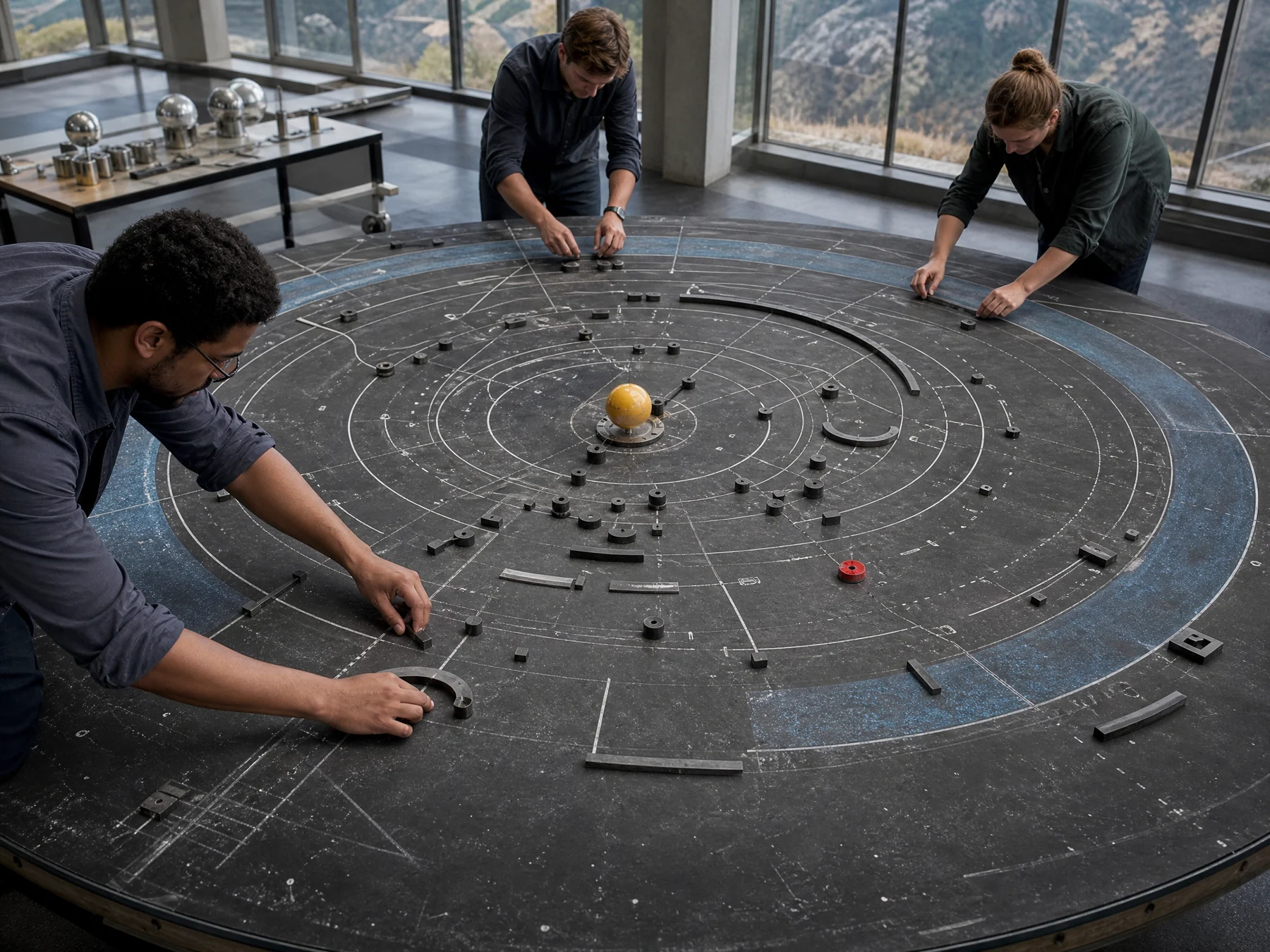
WINDOW 02 / OVERCAST
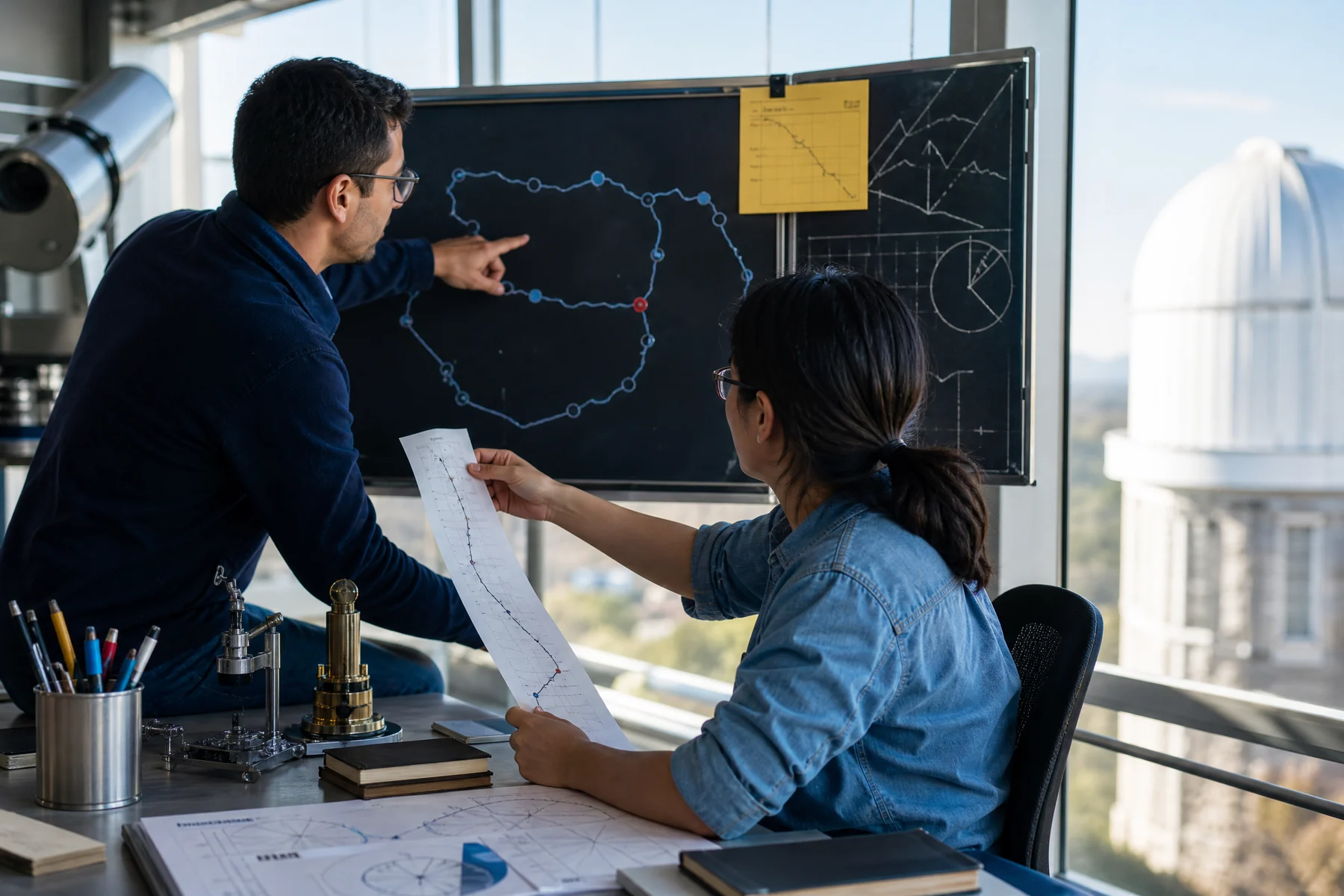
WINDOW 03 / RELEASE
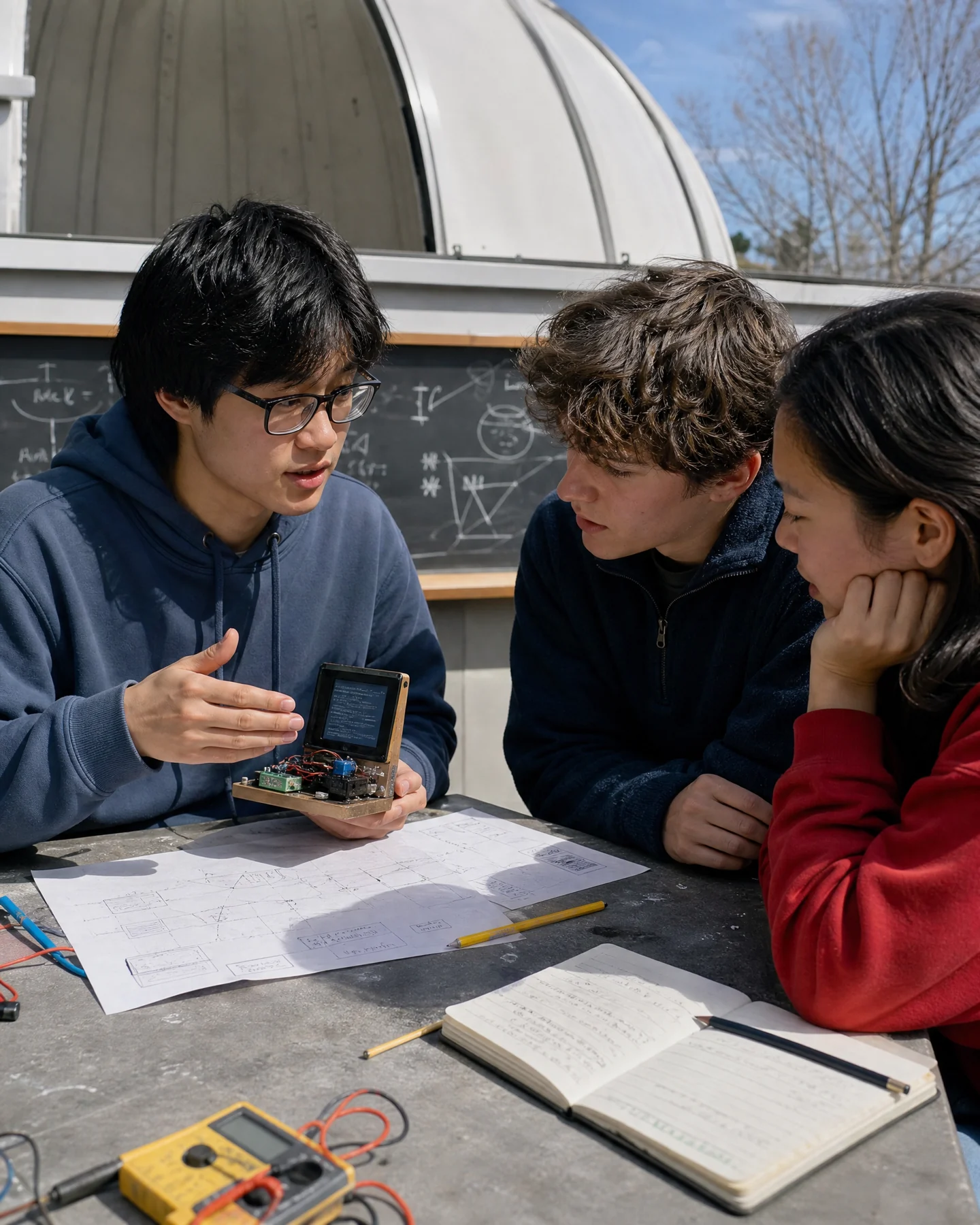
DECK / DEMONSTRATE
A practical review begins with a real action. Peers can ask what happens next, which signal changed and what still needs checking.
PUBLIC REVIEW DECK / TURN THE DIAL
The dial changes the observation lens across the same small working system. It is deliberately not a score, level or curriculum picker.
SIGNAL INDEX / OPEN A TERM
Open one of the practical cards. Each definition is a prompt for a system you are already building, not a glossary to memorise.
Index note: the clearest technical language makes room for what is not known yet.